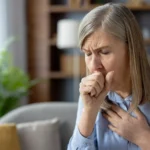
Have you ever noticed a whistling or high-pitched sound while breathing? This is known as wheezing. It usually occurs when air moves through narrowed or inflamed airways. While occasional wheezing can happen during a cold or respiratory infection, recurrent or unexplained wheezing should not be ignored.
What Is Wheezing?
Wheezing is a high-pitched sound produced when airflow through the airways becomes restricted. It may be more noticeable while breathing out, although some people can wheeze while breathing in as well.
Wheezing is a symptom, not a disease itself. Its significance depends on how frequently it occurs, what triggers it and whether it is accompanied by cough, breathlessness or chest tightness.
What Causes Wheezing While Breathing?
Several conditions can cause wheezing, including:
1. Asthma
Asthma is one of the most common causes of recurrent wheezing. Inflamed and narrowed airways can cause wheezing, coughing, chest tightness and shortness of breath. Symptoms may be triggered by dust, allergens, cold air, exercise, respiratory infections or smoke.
2. COPD
Chronic obstructive pulmonary disease (COPD), particularly in people with a history of smoking or long-term exposure to irritants, can cause persistent wheezing, cough, mucus production and breathlessness.
3. Respiratory Infections
Colds, bronchitis, pneumonia and other respiratory infections can temporarily inflame the airways and lead to wheezing. Mild wheezing associated with a respiratory infection may settle as the infection improves.
4. Allergies
Exposure to allergens can cause airway inflammation and, in some cases, significant wheezing. A sudden allergic reaction accompanied by breathing difficulty requires emergency medical attention.
5. Smoking and Air Pollution
Cigarette smoke, second-hand smoke, dust, chemical fumes and air pollution can irritate the airways and worsen wheezing, particularly in people with underlying lung conditions.
Other possible causes include bronchiectasis, acid reflux, certain medications, vocal cord problems and, less commonly, conditions affecting the heart or lungs. Therefore, wheezing alone cannot establish a diagnosis.
When Should Wheezing Be Evaluated?
You should consult a doctor if your wheezing:
- Keeps coming back
- Has no obvious cause
- Is accompanied by persistent cough or breathlessness
- Interferes with sleep, exercise or daily activities
- Occurs with chest tightness
- Develops after a respiratory infection but does not settle
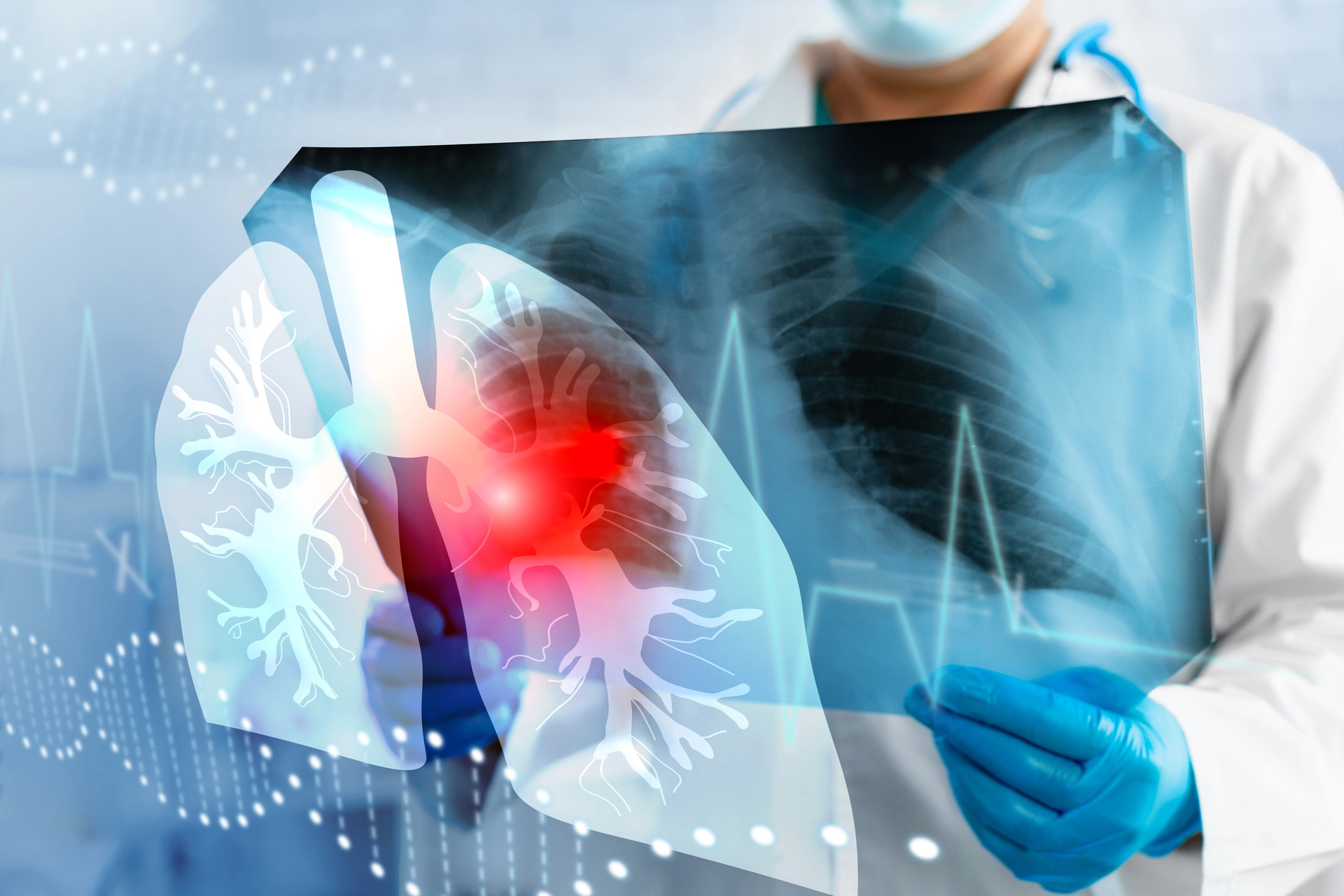
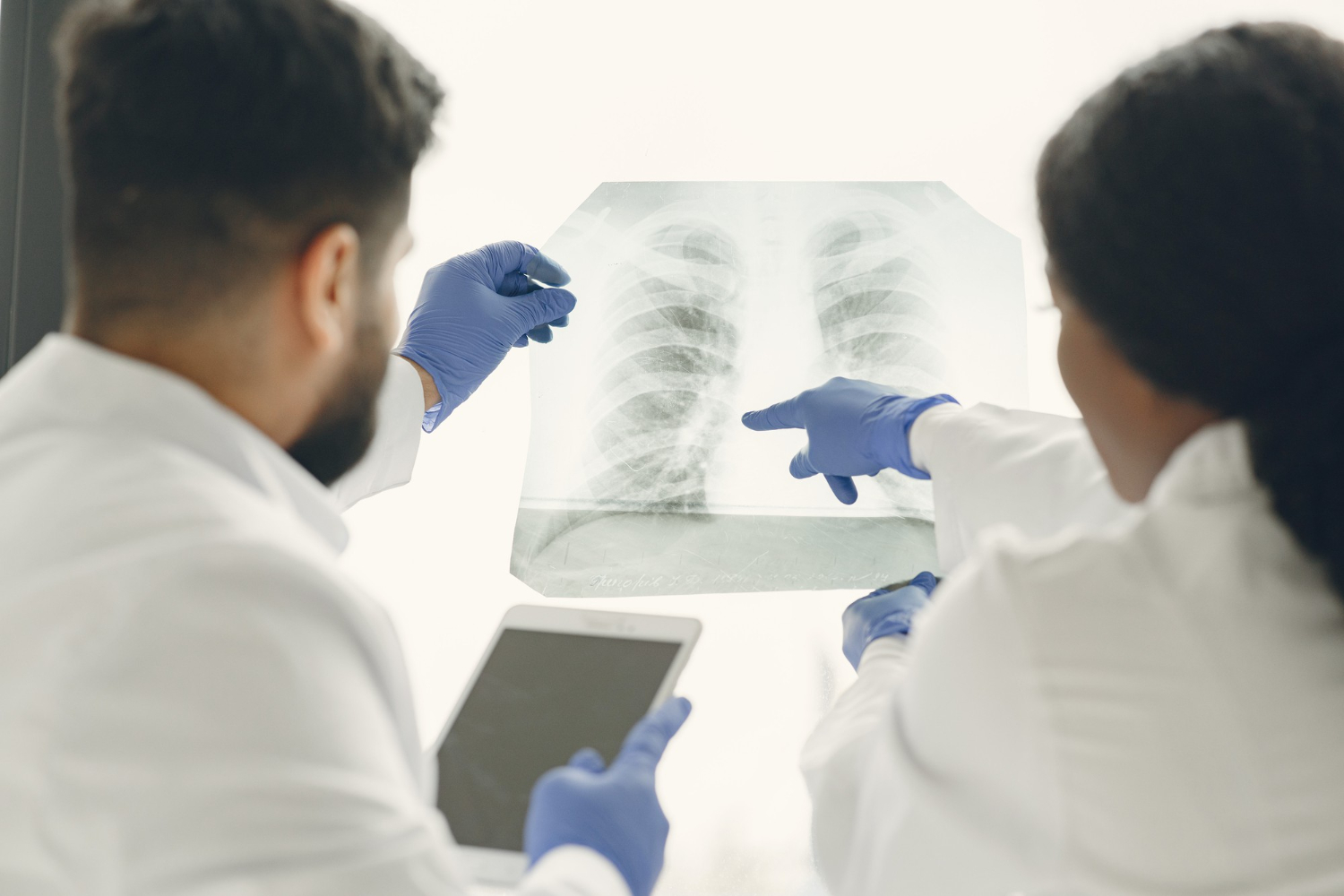
A pulmonologist may evaluate your symptoms, medical history, smoking or occupational exposure and breathing pattern. Depending on the findings, tests such as spirometry, chest X-ray, blood tests or other lung investigations may be recommended.
When Is Wheezing an Emergency?
Seek emergency medical care if wheezing is accompanied by severe difficulty breathing, blue or grey lips/skin, rapidly worsening symptoms, fainting or an inability to speak or walk normally because of breathlessness. Sudden wheezing after eating a suspected allergen, taking medication or choking can also require urgent attention.
How Is Wheezing Treated?
Treatment depends entirely on the underlying cause. Asthma may require inhaled medicines and trigger management, while COPD may require medications, smoking cessation and pulmonary rehabilitation. Respiratory infections, allergies and other causes require different approaches.
The goal should not simply be to suppress the wheezing. The underlying reason for airway narrowing or irritation needs to be identified and appropriately managed.
Frequently Asked Questions
1. What does wheezing while breathing mean?
Wheezing is a high-pitched breathing sound caused by narrowed or inflamed airways.
2. Is wheezing always a sign of asthma?
No, wheezing can occur due to infections, allergies, COPD, air pollution or other airway conditions.
3. When should I see a doctor for wheezing?
Consult a doctor if wheezing keeps returning, affects daily activities, or occurs with breathlessness or chest tightness.
4. Can wheezing go away on its own?
Mild wheezing due to temporary infections may improve, but recurrent wheezing needs medical evaluation.
5. Which doctor treats wheezing problems?
A pulmonologist evaluates and treats breathing-related symptoms like wheezing, cough and breathlessness.
Conclusion
As a pulmonologist, Dr. Hrushikesh Vaidya evaluates breathing symptoms by considering the complete clinical picture rather than relying on a single symptom. His practice focuses on pulmonary medicine, complex pulmonary interventions, interventional pulmonology, critical care and sleep disorders.
If wheezing is persistent, recurrent or associated with breathlessness, timely evaluation can help identify conditions such as asthma, COPD or other respiratory disorders and guide appropriate treatment.
Persistent wheezing is not something to simply live with. Understanding its cause is the first step toward better breathing and long-term lung health.
Name: Dr. Hrushikesh Vaidya
Address: Vibgyor, Ghodbunder Rd, near Hiranandani Estate, behind Ritu Nissan Showroom, B Wing, Patlipada, Thane West, Thane, Maharashtra 400607
Phone: 022 6855 6855
Website: https://drhrushikeshvaidya.com/
Contact Us
Get In Touch
Reach Out
and Connect
Contact us for collaborations, inquiries, or speaking opportunities. We’re excited to hear from you!
Related Posts
Is COPD Contagious? Causes, Symptoms & Expert Insights
- Dr Hrushikesh Vaidya
- September 11, 2025
Is COPD Contagious? When diagnosed with Chronic Obstructive Pulmonary Disease (COPD), one of th ..

Shortness of Breath After Eating: Causes & Treatment Explained by Dr Hrushikesh Vaidya
- Dr Hrushikesh Vaidya
- January 5, 2026
Experiencing shortness of breath after eating can feel unsettling, especially when it happens s ..