18 November
Blog
What I Tell Patients Who Experience Repeated COPD Exacerbations
- Dr Hrushikesh Vaidya
- 0 Comments
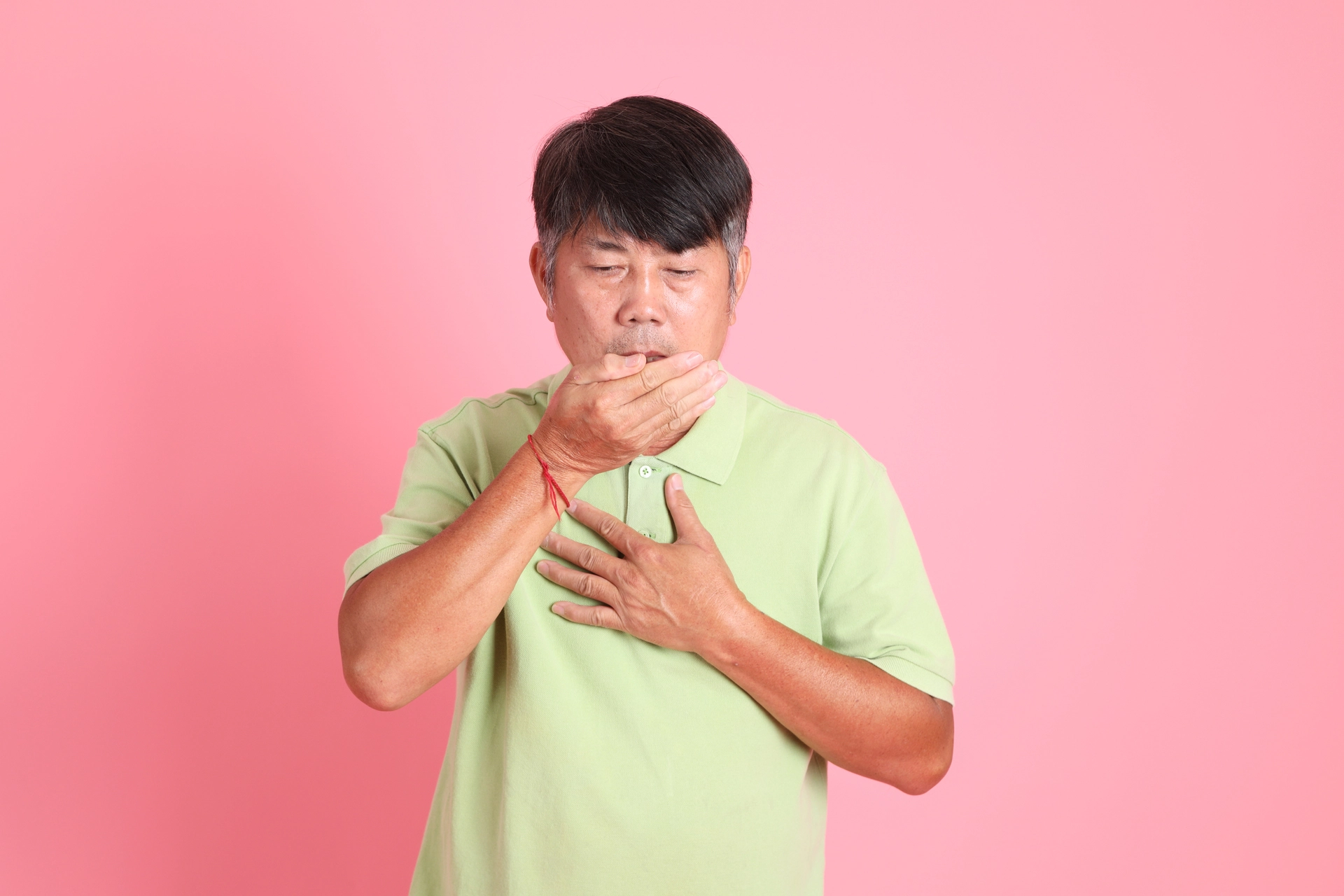
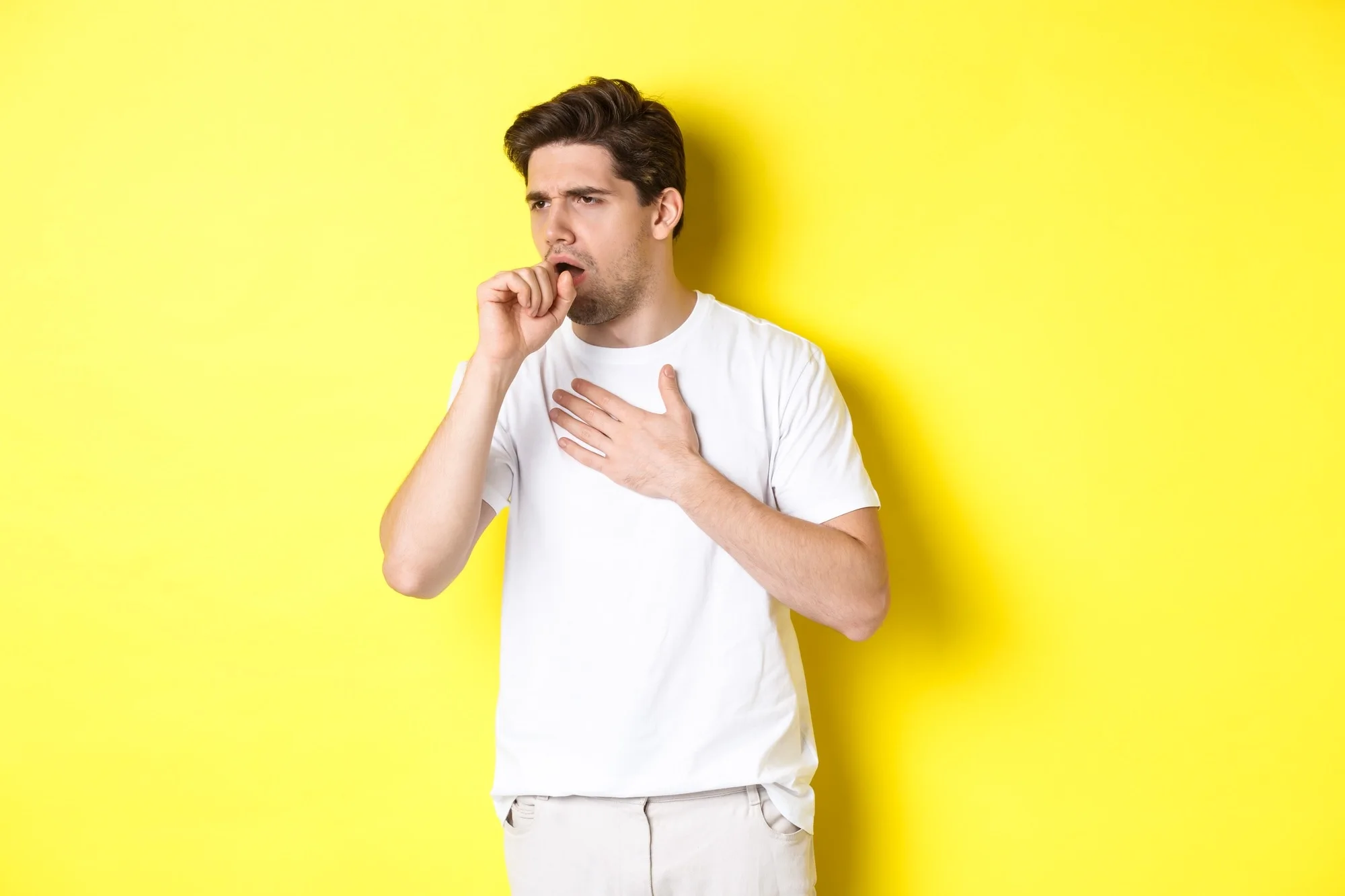
Living with Chronic Obstructive Pulmonary Disease (COPD) can be challenging, especially when breathing difficulties repeatedly worsen despite ongoing treatment.
As a pulmonologist, one important message I share with patients is that repeated COPD exacerbations should not be considered a normal part of living with the disease. They may indicate the need to reassess current treatment, identify triggers and review lung health.
What Are COPD Exacerbations?
A COPD exacerbation, commonly called a flare-up, is a sudden worsening of respiratory symptoms over a few days, typically within 14 days.
Common symptoms include:
- Increased breathlessness
- Persistent or worsening cough
- Increased mucus production or changes in sputum colour
- Wheezing or chest tightness
- Greater difficulty performing everyday activities
Frequent exacerbations can affect lung function, quality of life and the risk of hospitalisation.
Why Do COPD Exacerbations Keep Coming Back?
Repeated COPD flare-ups may occur due to several factors.
- Respiratory Infections
Viral or bacterial respiratory infections are common triggers that can worsen airway inflammation and breathing difficulties.
- Incorrect Inhaler Technique
Even when patients use prescribed inhalers regularly, incorrect technique may prevent sufficient medication from reaching the lungs.
- Exposure to Irritants
Tobacco smoke, air pollution, dust and indoor cooking fumes may worsen respiratory symptoms.
- Inadequately Controlled COPD
Some patients require treatment reassessment when symptoms or exacerbations continue despite regular medication.
- Other Health Conditions
Heart disease, bronchiectasis and certain other respiratory conditions may contribute to recurrent breathing problems.
What I Advise Patients Experiencing Frequent COPD Flare-Ups
1. Review Your Current Treatment
I encourage patients to discuss recurring symptoms with their treating doctor rather than independently increasing or changing medication.
A clinical review may involve assessing symptoms, previous exacerbations, inhaler technique and lung function.
2. Identify and Reduce Triggers
Understanding whether flare-ups follow infections, pollution exposure or other environmental changes can help patients take appropriate precautions.
3. Understand the Importance of Pulmonary Rehabilitation
Pulmonary rehabilitation combines supervised exercise, education and breathing-management strategies to improve physical functioning and support daily activities.
4. Keep Recommended Vaccinations Updated
Vaccination against influenza, pneumococcal disease and other relevant infections, according to medical guidance, may help reduce respiratory complications.
5. Recognise Early Warning Signs
Increasing breathlessness, worsening cough or changes in mucus should prompt timely medical assessment.
Severe breathlessness, confusion, bluish lips or difficulty speaking because of breathing problems require emergency medical attention.
Can Repeated COPD Exacerbations Be Prevented?
Although not every exacerbation can be prevented, appropriate treatment, smoking cessation, correct inhaler use, vaccination and pulmonary rehabilitation may reduce their frequency and severity.
According to the GOLD 2026 recommendations, even one moderate or severe exacerbation should prompt careful assessment of future risk and treatment needs.
Frequently Asked Questions
1. What causes frequent COPD exacerbations?
Respiratory infections, pollution, smoking, inhaler problems and inadequate disease control are common contributors.
2. How many COPD exacerbations are considered concerning?
Even one moderate or severe exacerbation warrants a medical review of future risk.
3. Can COPD flare-ups happen despite regular inhaler use?
Yes, exacerbations may still occur due to infections, triggers or the need for treatment reassessment.
4. Can pulmonary rehabilitation help COPD patients?
Yes, it may improve exercise tolerance, breathlessness management and quality of life.
5. When should I consult a pulmonologist for COPD?
Seek assessment when breathlessness, cough or mucus production worsens, particularly with repeated flare-ups.
Conclusion
Repeated COPD exacerbations deserve attention because they may indicate ongoing airway inflammation, environmental triggers or the need for treatment reassessment.
Understanding these changes and following an individualised care plan can help patients manage COPD more effectively.
To understand respiratory care in greater detail, explore Dr Hrushikesh Vaidya’s professional profile and the information on COPD treatment in Thane. For general enquiries, visit the contact page.
Medical Disclaimer: This article is intended for general health education only and is not promotional material or a substitute for personalised medical consultation, diagnosis or treatment.
Name: Dr. Hrushikesh Vaidya
Address: Vibgyor, Ghodbunder Rd, near Hiranandani Estate, behind Ritu Nissan Showroom, B Wing, Patlipada, Thane West, Thane, Maharashtra 400607
Phone: 022 6855 6855
Website: https://drhrushikeshvaidya.com/
Contact Us
Get In Touch
Reach Out
and Connect
Contact us for collaborations, inquiries, or speaking opportunities. We’re excited to hear from you!
Related Posts
Asthma Flare-Ups in Monsoon and Winter: Why They Increase
- Dr Hrushikesh Vaidya
- July 15, 2026
Asthma symptoms can occur throughout the year, but many patients notice increased coughing, whe ..

The Dos and Don’ts of Managing Chronic Cough: Essential Tips for Patients
- Dr Hrushikesh Vaidya
- February 10, 2025
The Dos and Don’ts of Managing Chronic Cough: Essential Tips for Patients A chronic cough ..