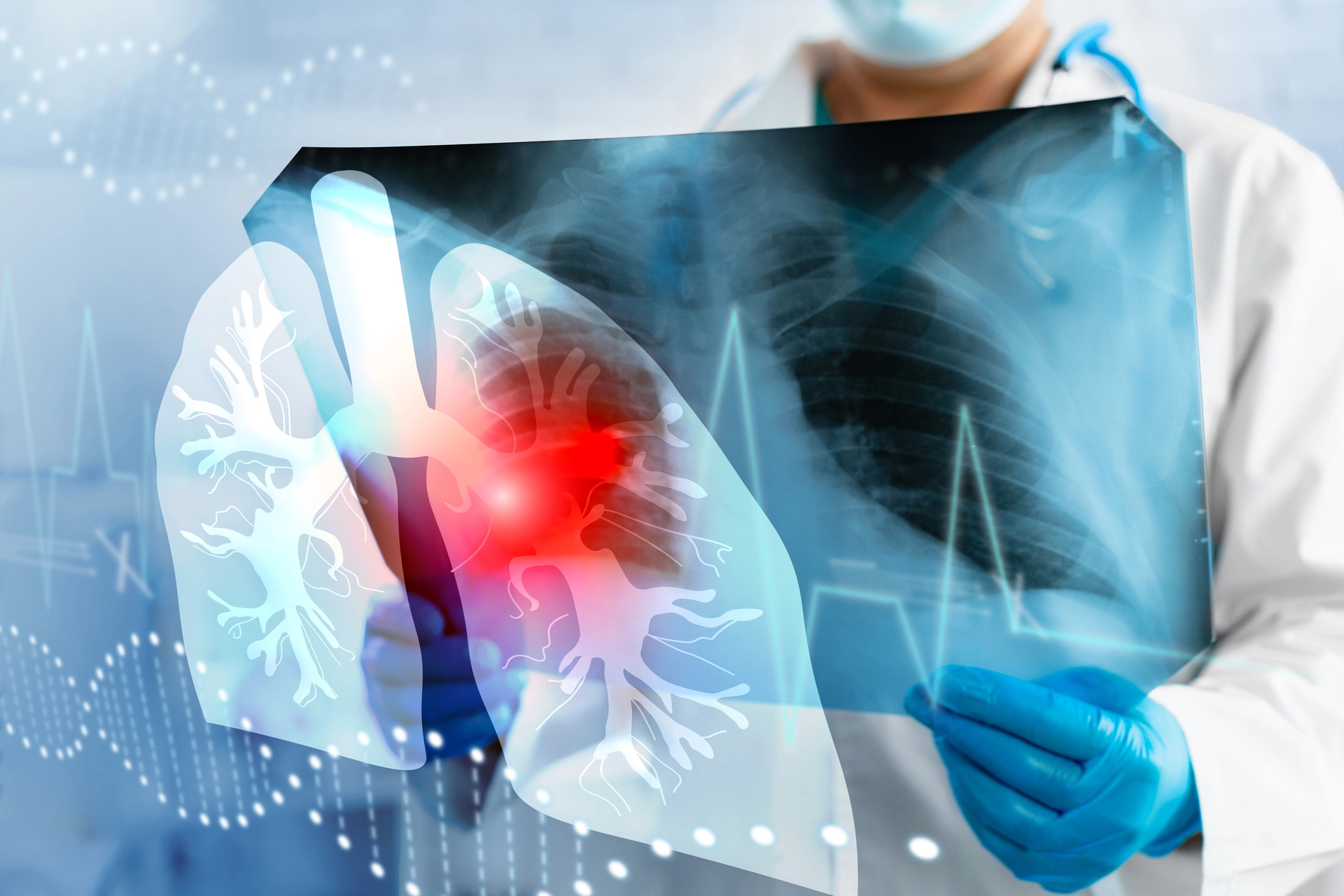
You feel short of breath, but your chest X-ray report says normal. Does that mean your lungs are completely fine?
Not necessarily.
A normal chest X-ray is reassuring, but it does not rule out every cause of breathlessness. Conditions such as asthma, early airway disease, pulmonary hypertension, heart problems, anaemia and even some blood clots may not be obvious on a routine chest X-ray.
As a pulmonologist, when a patient continues to experience unexplained breathlessness despite a normal X-ray, I look beyond the image and assess how the lungs, heart and body are functioning.
First, I Understand When the Breathlessness Happens
The pattern of breathlessness often gives important clues.
I usually ask:
- Does it occur while walking or climbing stairs?
- Does it happen even at rest?
- Is there wheezing, cough or chest tightness?
- Is it worse when lying down?
- Did it begin suddenly or gradually?
- Did it start after a respiratory infection?
- Is there chest pain, palpitation, leg swelling or unusual fatigue?
Smoking history, allergies, previous lung disease, heart conditions, medications, occupational exposure and recent infections also matter.
I Check Oxygen Levels at Rest and During Activity
Your oxygen saturation may appear normal while you are sitting but fall during physical activity.
Depending on the symptoms, oxygen levels may therefore be assessed both at rest and after walking or exertion. Heart rate, respiratory rate and the overall effort required to breathe can provide additional information.
Next, I May Check Lung Function
A chest X-ray shows the structure of the lungs. It does not tell us how effectively air is moving through them.
This is where spirometry or pulmonary function testing becomes useful.
These tests can help identify conditions such as:
- Asthma
- COPD
- Airway obstruction
- Restrictive lung disease
- Reduced lung capacity
Some patients with asthma, for example, can have a completely normal chest X-ray.
Could the Problem Be Outside the Lungs?
Breathlessness does not always originate in the lungs.
Depending on the patient’s symptoms and examination, I may also consider:
Anaemia: Low haemoglobin reduces the blood’s ability to carry oxygen and can cause breathlessness and fatigue.
Heart conditions: Abnormal heart rhythm, valve disease or reduced pumping function may cause shortness of breath, particularly during exertion.
Pulmonary hypertension: Increased pressure in the blood vessels of the lungs may initially present as unexplained breathlessness.
Deconditioning: Reduced physical fitness after prolonged illness or inactivity can make routine activities unexpectedly tiring.
When Is a CT Scan Needed?
Not every patient with breathlessness and a normal X-ray requires a CT scan.
However, if symptoms persist, the examination raises concern or lung function tests suggest an abnormality, a CT scan of the chest may provide a more detailed view of the lungs than an X-ray.
In selected patients, additional investigations such as blood tests, ECG, echocardiography, specialised pulmonary testing or evaluation for a pulmonary embolism may be required.
The choice of test should be guided by the patient’s symptoms and clinical findings rather than ordering every investigation at once.
When Should Breathlessness Be Treated as an Emergency?
Seek urgent medical care if breathlessness is sudden or severe, particularly when accompanied by:
- Chest pain or pressure
- Bluish lips or fingers
- Fainting or confusion
- Coughing up blood
- Very low oxygen levels
- Rapid worsening of breathing
- New swelling or pain in one leg
Frequently Asked Questions
1. Can a normal chest X-ray rule out lung problems?
No, a normal chest X-ray may not detect conditions like asthma, early airway disease, or some lung circulation problems.
2. Why am I breathless if my chest X-ray is normal?
Breathlessness can occur due to asthma, heart issues, anaemia, reduced fitness, or conditions not visible on X-ray.
3. What tests are done after a normal chest X-ray?
Doctors may recommend spirometry, pulmonary function tests, blood tests, ECG, echocardiography, or CT scan based on symptoms.
4. Can asthma have a normal chest X-ray?
Yes, many asthma patients have normal chest X-ray results because asthma affects airways rather than lung structure.
5. When should I see a doctor for breathlessness?
Consult a doctor if breathlessness persists, worsens, affects daily activities, or occurs with chest pain, low oxygen, or dizziness.
Conclusion
A normal chest X-ray does not always explain ongoing breathlessness. Finding the right cause requires a detailed evaluation of your lungs, heart, oxygen levels and overall health. The next step may include lung function testing, further investigations, or personalised treatment based on your symptoms.
If you are experiencing persistent breathlessness despite a normal chest X-ray, consult Dr. Hrushikesh Vaidya for expert respiratory evaluation and guidance.
For appointments and consultation details, visit our Contact Us page or explore
Name: Dr. Hrushikesh Vaidya
Address: Vibgyor, Ghodbunder Rd, near Hiranandani Estate, behind Ritu Nissan Showroom, B Wing, Patlipada, Thane West, Thane, Maharashtra 400607
Phone: 022 6855 6855
Website: https://drhrushikeshvaidya.com/
Contact Us
Get In Touch
Reach Out
and Connect
Contact us for collaborations, inquiries, or speaking opportunities. We’re excited to hear from you!
Related Posts

Why Do I Keep Getting Chest Infections?
- Dr Hrushikesh Vaidya
- October 13, 2026
Getting a chest infection once in a while is common, especially during seasonal changes. But wh ..

Understanding Pulmonary Fibrosis: Causes, Symptoms, Treatment, and Management
- Dr Hrushikesh Vaidya
- April 29, 2025
Understanding Pulmonary Fibrosis: Causes, Symptoms, Treatment, and Management Pulmonary fibrosi ..