09 April
Blog / Uncategorized
What I Look for Before Diagnosing Asthma or COPD (Doctor’s Perspective)
- Dr Hrushikesh Vaidya
- 0 Comments
Breathing problems are one of the most common reasons patients visit a doctor. However, not every cough, wheeze, or shortness of breath points to the same condition. Two of the most frequently confused conditions are asthma and COPD. Understanding how to diagnose COPD vs asthma is crucial because both require very different treatment approaches.
From a doctor’s perspective, diagnosing these conditions is not about guessing—it involves careful evaluation of symptoms, history, and specific tests. Let’s break down what goes into making an accurate diagnosis.
Understanding Asthma & COPD Symptoms
At first glance, asthma & COPD symptoms may seem similar. Both conditions affect the airways and can cause:
- Shortness of breath
- Wheezing (whistling sound while breathing)
- Chronic cough
- Chest tightness
However, there are key differences I always look for:
- Asthma often starts earlier in life, and symptoms may come and go. They are usually triggered by allergens, exercise, or weather changes.
- COPD (Chronic Obstructive Pulmonary Disease) typically develops later in life, especially in smokers or those exposed to long-term pollution. Symptoms are persistent and gradually worsen over time.
This distinction is the first step in understanding how to diagnose COPD vs asthma.
What I Assess Before Making a Diagnosis
Before labelling any condition, I carefully evaluate multiple factors:
1. Detailed Medical History
This is one of the most important steps. I ask questions like:
- When did symptoms start?
- Are they seasonal or constant?
- Is there a history of smoking or pollution exposure?
- Any family history of asthma or allergies?
2. Symptom Pattern
Asthma tends to show variability—good days and bad days.
COPD, on the other hand, shows a steady progression with worsening breathlessness.
3. Risk Factors
- Smoking history strongly points toward COPD
- Allergies or childhood breathing issues suggest asthma
4. Physical Examination
Using a stethoscope, I check for wheezing, reduced airflow, or signs of lung damage.
Asthma & COPD Test: What Confirms the Diagnosis
No diagnosis is complete without proper testing. Several asthma & COPD test options help confirm what I suspect clinically:
- Spirometry (Lung Function Test): Measures how well your lungs are working
- Bronchodilator Reversibility Test: Helps differentiate asthma (reversible) from COPD (less reversible)
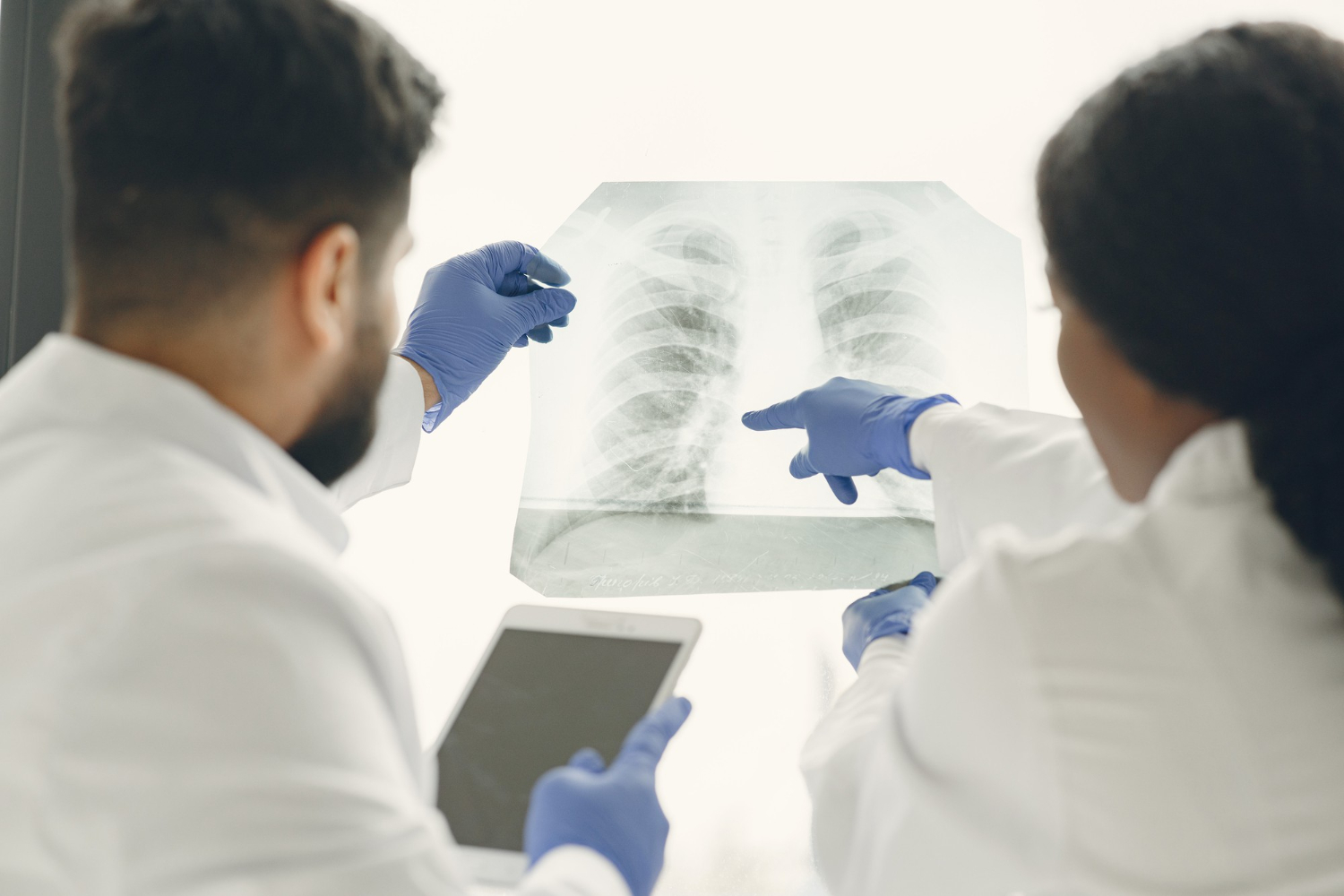
- Chest X-ray or CT Scan: Identifies structural lung changes
- Blood Tests: To check for allergies or infection
These tests are essential in accurately determining how to diagnose COPD vs asthma, rather than relying only on symptoms.
Who Can Diagnose Asthma & COPD?
Many patients wonder who can diagnose asthma & COPD. The answer is:
- A general physician can initiate evaluation
- However, for accurate diagnosis and long-term management, consulting an asthma & COPD specialist is recommended
Specialists such as pulmonologists have the expertise and advanced tools to differentiate between similar respiratory conditions and tailor treatment accordingly.
When Should You See a Specialist?
You should consult an asthma & COPD specialist if:
- Symptoms persist for more than a few weeks
- You experience frequent breathlessness or wheezing
- There is a history of smoking or occupational exposure
- Symptoms are affecting your daily life or sleep
Early evaluation helps prevent complications and improve quality of life.
Asthma or COPD: Why Correct Diagnosis Matters
Misdiagnosis can lead to ineffective treatment and worsening symptoms. That’s why understanding how to diagnose COPD vs asthma is so important.
A structured evaluation ensures:
- Correct treatment plan
- Better symptom control
- Reduced risk of complications
- Improved long-term lung health
Treatment and Management Approach
Once diagnosed, treatment depends on the condition:
- Asthma is usually managed with inhalers, allergy control, and lifestyle changes
- COPD management focuses on slowing disease progression, improving breathing, and preventing flare-ups
Both conditions benefit from:
- Smoking cessation
- Regular exercise
- Vaccinations
- Pulmonary rehabilitation
The key is early and accurate diagnosis.
Persistent Cough: Frequently Asked Questions
What is the main difference between asthma and COPD?
Asthma is usually reversible and triggered by allergens, while COPD is a progressive condition often caused by smoking or long-term exposure to irritants.
Can asthma turn into COPD?
Asthma does not directly turn into COPD, but long-standing uncontrolled asthma may cause airway changes that resemble COPD.
What is the most important asthma & COPD test?
Spirometry is the most important test as it measures lung function and helps differentiate between the two conditions.
Who is the best asthma & COPD specialist?
A pulmonologist (lung specialist) is best qualified to diagnose and manage both asthma and COPD effectively.
How do I know if I need testing?
If you have a persistent cough, breathlessness, or wheezing that does not improve, you should undergo proper evaluation and testing.
Conclusion
Diagnosing respiratory conditions is never based on a single symptom. It requires a detailed assessment of history, risk factors, and proper testing. From a doctor’s perspective, identifying the difference between asthma and COPD early ensures the right treatment and better outcomes.
If you are experiencing ongoing breathing issues, don’t ignore them. Timely consultation with an expert like Dr Hrushikesh Vaidya can help you get clarity, effective treatment, and long-term relief.
Stop guessing. Start treating. Book your consultation now.
Name: Dr. Hrushikesh Vaidya
Address: Vibgyor, Ghodbunder Rd, near Hiranandani Estate, behind Ritu Nissan Showroom, B Wing, Patlipada, Thane West, Thane, Maharashtra 400607
Phone: 022 6855 6855
Website: https://drhrushikeshvaidya.com/
Contact Us
Get In Touch
Reach Out
and Connect
Contact us for collaborations, inquiries, or speaking opportunities. We’re excited to hear from you!
Related Posts

Chronic Cough Symptoms
- Dr Hrushikesh Vaidya
- November 13, 2025
Chronic Cough Symptoms A cough that lasts more than eight weeks is classified as a chronic coug ..
From Cough to Diagnosis: How a Pulmonologist Evaluates Respiratory Symptoms
- Dr Hrushikesh Vaidya
- June 24, 2026
A cough, breathlessness, wheezing, chest tightness or repeated respiratory infection may look l ..