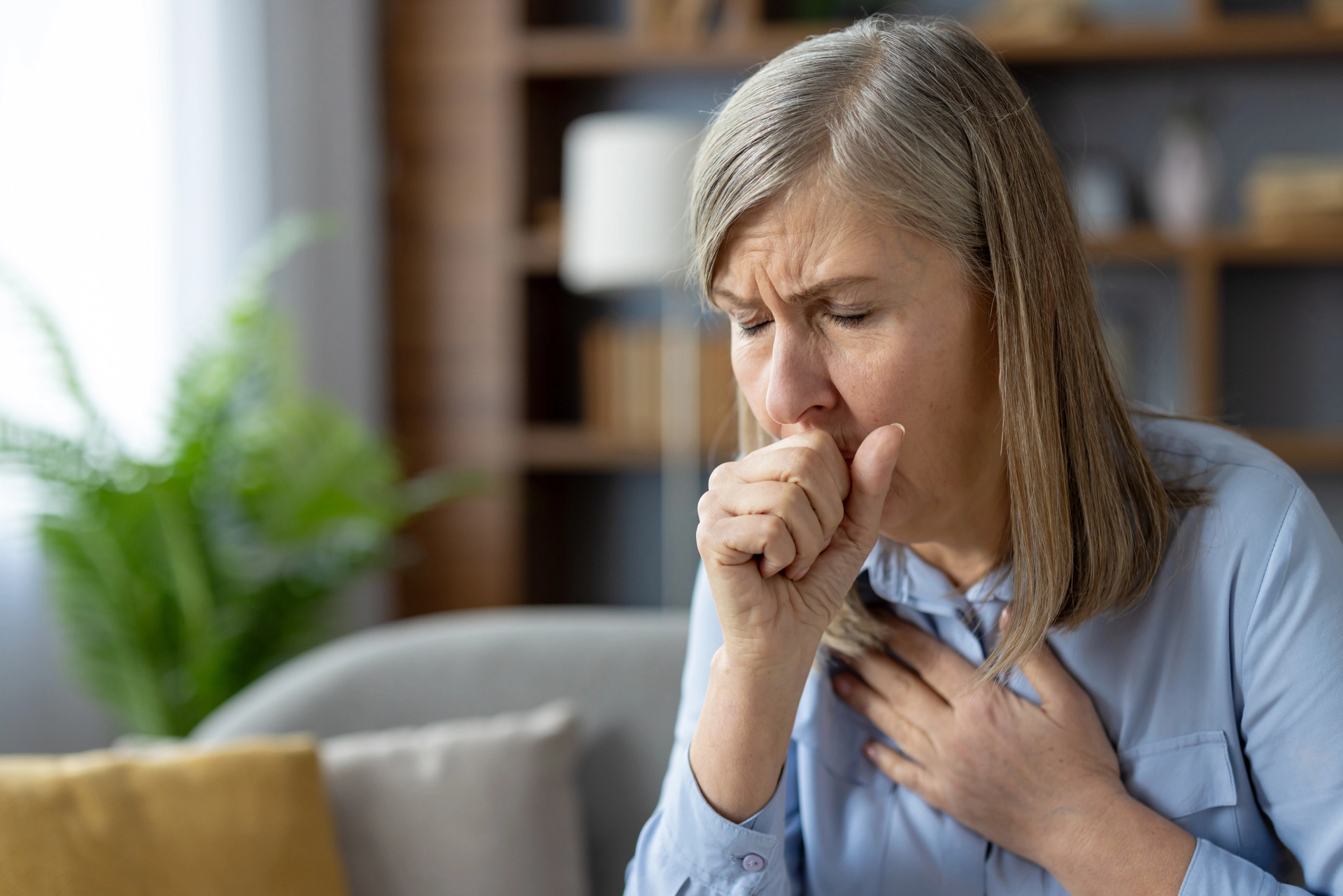
Asthma symptoms can occur throughout the year, but many patients notice increased coughing, wheezing, breathlessness and chest tightness during the monsoon and winter months. These seasonal flare-ups are not simply caused by “bad weather.” They usually result from changes in temperature, humidity, allergens, infections and air quality.
Understanding these triggers can help people with asthma stay prepared and reduce the risk of severe attacks.
Why Does Asthma Worsen During the Monsoon?
1. Increased mould growth
Monsoon humidity creates damp conditions in bathrooms, walls, cupboards, carpets and poorly ventilated rooms. These conditions encourage mould growth. Breathing in mould spores can trigger coughing, wheezing and asthma attacks—even in some people who do not have a diagnosed mould allergy.
2. Higher exposure to dust mites
Dust mites grow more easily in warm and humid environments. They commonly collect in mattresses, pillows, curtains, carpets and upholstered furniture. For people with allergic asthma, increased dust-mite exposure can lead to airway inflammation and recurrent symptoms.
3. Sudden weather changes
Rapid changes in temperature and humidity may irritate sensitive airways. Strong winds and thunderstorms can also disturb pollen, dust and other allergens, allowing smaller particles to travel deeper into the lungs.
4. Respiratory infections
Monsoon weather often leads people to spend more time indoors and in crowded places. This may increase exposure to viral respiratory infections, which are recognised triggers for asthma exacerbations.
Why Does Asthma Increase During Winter?
Cold and dry air
Cold air can cause the muscles surrounding the airways to tighten. This narrowing, known as bronchospasm, can produce wheezing, coughing or breathlessness, particularly during early-morning exercise or outdoor activity.
Colds, flu and other infections
Respiratory infections are among the most common causes of winter asthma flare-ups. Infections can increase swelling and mucus production inside already-sensitive airways.
Indoor allergens
During winter, closed windows and reduced ventilation can increase exposure to indoor dust, pet dander, smoke, incense, perfumes and cleaning chemicals.
Air pollution
Winter weather may trap pollutants closer to the ground. Traffic emissions, construction dust, smoke and fine particulate matter can irritate the lungs and make asthma more difficult to control.
How Can You Prevent Seasonal Asthma Flare-Ups?
Continue your controller or preventive inhaler exactly as prescribed, even when you feel well. Do not stop or reduce asthma medication without consulting your pulmonologist.
Keep your reliever inhaler accessible and ensure that you are using the correct inhaler technique. Other helpful measures include:
- Repairing water leakage and removing visible mould
- Washing bedding regularly and reducing dust-collecting furnishings
- Maintaining good ventilation without allowing excessive indoor humidity
- Wearing a mask in dusty, polluted or crowded environments
- Covering the nose and mouth with a scarf when breathing cold air
- Avoiding cigarette smoke, incense and strong fragrances
- Following your personalised asthma action plan
- Discussing appropriate vaccinations with your doctor
Asthma management should be individualised because triggers and treatment requirements differ from person to person.
When Should You Consult a Pulmonologist?
Arrange a medical review if you are waking at night due to coughing, using your reliever inhaler more frequently, avoiding normal activities or experiencing repeated seasonal attacks. These signs may indicate that your asthma is not adequately controlled.
Seek urgent medical assistance if breathlessness becomes severe, speaking is difficult, the reliever inhaler provides little relief, or the lips or fingertips appear bluish.
Can seasonal asthma be controlled?
In most cases, asthma can be effectively managed by identifying triggers, using inhalers correctly, following a personalised treatment plan and attending regular reviews.
For recurring cough, wheezing or breathlessness during monsoon and winter, consult Dr. Hrushikesh Vaidya, pulmonologist in Thane, for a detailed respiratory evaluation and personalised asthma-management plan.
Frequently Asked Questions
1. Why does asthma worsen during the monsoon?
Asthma may worsen during the monsoon because humidity increases mould, dust mites, indoor allergens and exposure to respiratory infections.
2. Why does cold weather trigger asthma symptoms?
Cold, dry air can irritate sensitive airways and cause bronchospasm, resulting in coughing, wheezing, chest tightness and breathlessness.
3. What type of asthma is affected by seasonal changes?
Allergic asthma and infection-triggered asthma are commonly affected by seasonal changes, although triggers can differ between patients.
4. What are the warning signs of an asthma flare-up?
Common warning signs include frequent coughing, night-time symptoms, wheezing, chest tightness and increased use of a reliever inhaler.
5. Why should seasonal asthma symptoms not be ignored?
Repeated seasonal symptoms may indicate poorly controlled asthma and can increase the risk of a severe attack without appropriate treatment.
Conclusion
Recurring coughing, wheezing or breathing difficulty during the monsoon or winter may indicate poorly controlled asthma. Learn more about personalised diagnosis, inhaler management and preventive care on our Asthma Treatment in Thane service page.
Contact Dr. Hrushikesh Vaidya to schedule a consultation and receive a personalised asthma-management plan.
Name: Dr. Hrushikesh Vaidya
Address: Vibgyor, Ghodbunder Rd, near Hiranandani Estate, behind Ritu Nissan Showroom, B Wing, Patlipada, Thane West, Thane, Maharashtra 400607
Phone: 022 6855 6855
Website: https://drhrushikeshvaidya.com/
Contact Us
Get In Touch
Reach Out
and Connect
Contact us for collaborations, inquiries, or speaking opportunities. We’re excited to hear from you!
Related Posts

Persistent Cough for More Than 2 Weeks? Here’s What Your Body Might Be Telling You
- Dr Hrushikesh Vaidya
- April 9, 2026
A cough is one of the most common symptoms people experience, but when it lingers beyond two we ..

Lung Fibrosis Treatment in Thane by Dr. Hrushikesh Vaidya: Managing Symptoms and Approaches
- Dr Hrushikesh Vaidya
- May 20, 2025
Lung Fibrosis Treatment in Thane by Dr. Hrushikesh Vaidya: Managing Symptoms and Approaches Nav ..