13 October
Blog
What I Want Every Smoker to Know About Lung Cancer Screening
- Dr Hrushikesh Vaidya
- 0 Comments
One of the biggest misconceptions about lung cancer is that it always causes noticeable symptoms in its early stages. Unfortunately, that is not always true.
As a pulmonologist, I want every smoker and former smoker to understand one important fact: lung cancer can develop silently, and early screening may help detect it before symptoms appear.
Lung cancer screening is not necessary for everyone who smokes. However, for people at higher risk, the right screening test at the right time can make a meaningful difference.
Why Lung Cancer Screening Matters
Lung cancer is often diagnosed at an advanced stage because early disease may not cause persistent coughing, chest pain, or breathing difficulties.
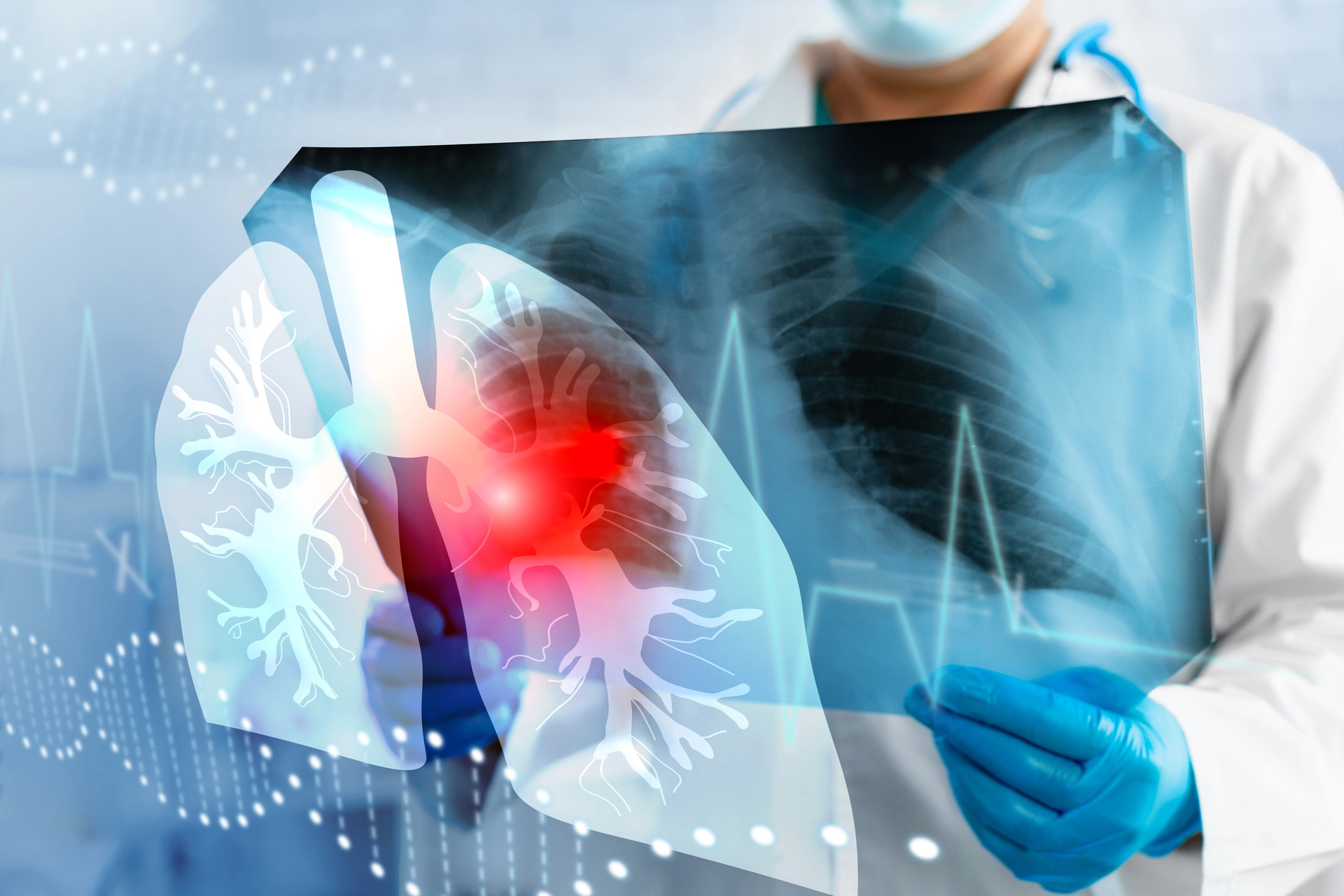
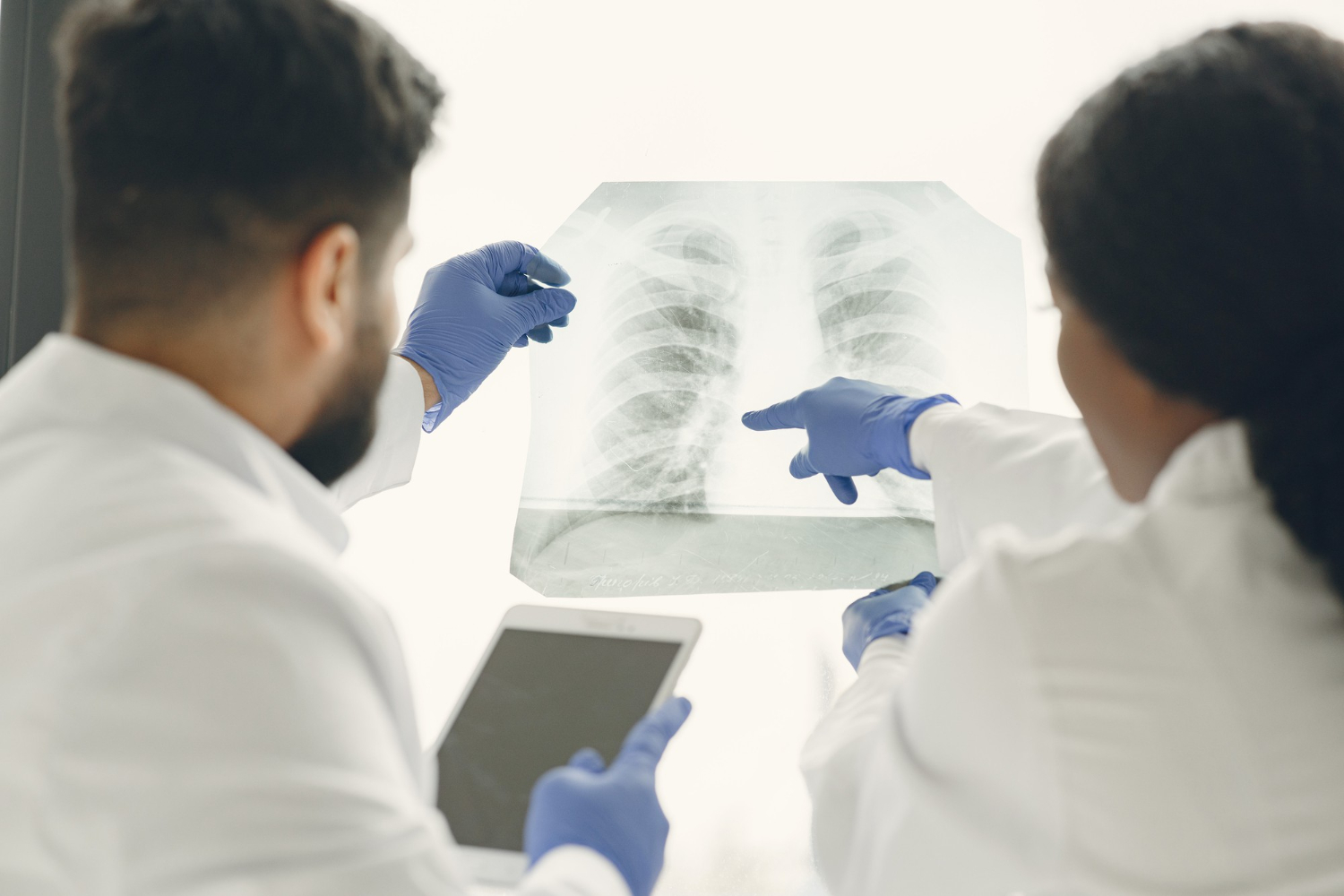
Lung cancer screening uses a low-dose CT (LDCT) scan to look for early signs of lung cancer in people at increased risk who do not have symptoms.
Detecting lung cancer earlier may allow more treatment options and improve the chances of successful treatment.
Importantly, screening is different from investigating symptoms. If you already have symptoms, you need medical evaluation rather than routine screening alone.
Who Should Consider Lung Cancer Screening?
According to the American Cancer Society, annual low-dose CT screening is recommended for adults who:
- Are between 50 and 80 years old.
- Currently smoke or have smoked in the past.
- Have a smoking history of at least 20 pack-years.
A pack-year measures how much someone has smoked over time. Smoking 20 cigarettes daily for 20 years equals 20 pack-years. Smoking 10 cigarettes daily for 40 years also equals 20 pack-years.
These are US-based recommendations. Screening decisions in India should be individualised by a qualified doctor, considering smoking patterns, age, medical history, and overall lung cancer risk.
Why I Recommend Discussing Low-Dose CT Scans
A low-dose CT scan is the recommended screening method for eligible high-risk adults.
Unlike a standard chest X-ray, an LDCT scan can detect smaller abnormalities in the lungs that might otherwise remain unnoticed.
The scan is generally quick, painless, and does not usually require injections or contrast dye.
However, an abnormal CT scan does not automatically mean lung cancer. Some findings may represent harmless nodules, infections, or old scars.
Screening also has limitations, including false-positive findings, radiation exposure, and sometimes unnecessary follow-up investigations. This is why screening should involve a discussion with your doctor.
Signs Smokers Should Never Ignore
Even if you do not meet routine screening criteria, certain symptoms require medical attention.
These include:
- A cough that persists or changes noticeably.
- Coughing up blood.
- Unexplained weight loss.
- Persistent chest discomfort.
- Increasing breathlessness.
- Repeated chest infections.
These symptoms do not necessarily indicate lung cancer, but they should not be dismissed as normal effects of smoking.
Does Quitting Smoking Eliminate Lung Cancer Risk?
Quitting smoking is one of the most important steps you can take to protect your lungs.
Your risk of lung cancer decreases over time after quitting, but it does not immediately return to that of someone who has never smoked.
The American Cancer Society recommends considering eligible former smokers for screening regardless of how long ago they quit.
Quitting smoking reduces future risk, while screening may help detect existing disease earlier. Both play different but important roles in lung health.
My Advice as a Pulmonologist
If you currently smoke or have smoked for many years, do not wait for breathing problems before discussing your lung health.
A consultation can help assess your smoking exposure, respiratory symptoms, family history, and whether lung cancer screening is appropriate.
Not every smoker requires a CT scan, and not every lung abnormality is cancer. The goal is informed evaluation, not unnecessary testing.
Early detection begins with understanding your personal risk.
If you are concerned about your smoking history or lung cancer risk, consult Dr. Hrushikesh Vaidya, Pulmonologist in Thane, for an individualised respiratory health assessment.
Frequently Asked Questions
1. Why is lung cancer screening important for smokers?
Lung cancer screening can help detect certain lung cancers at an earlier stage in eligible high-risk adults before symptoms develop.
2. What is the recommended test for lung cancer screening?
Low-dose computed tomography (LDCT) is the recommended screening test for eligible people at increased risk of lung cancer.
3. Why should former smokers consider lung cancer screening?
Former smokers may remain at increased risk of lung cancer for years after quitting, depending on their smoking history and other factors.
4. What does a 20 pack-year smoking history mean?
It means smoking an average of one pack of 20 cigarettes daily for 20 years, or an equivalent amount over another period.
5. What type of doctor should I consult about lung cancer screening?
A pulmonologist can assess smoking history, respiratory health and individual risk factors to discuss whether screening is appropriate.
Conclusion
Lung cancer may develop without noticeable symptoms during its early stages. For eligible individuals with a significant smoking history, low-dose CT screening can help detect certain lung cancers earlier.
However, screening is not appropriate for everyone. The decision depends on factors such as age, smoking history, general health, potential benefits and possible risks.
Quitting smoking remains an important step in reducing lung cancer risk, regardless of whether screening is recommended.
Dr. Hrushikesh Vaidya is a pulmonologist practising in Thane, with clinical interests in respiratory medicine and pulmonary care.
Individuals concerned about smoking-related lung health can discuss their symptoms, risk factors and screening eligibility with a qualified healthcare professional.
Further Information
Name: Dr. Hrushikesh Vaidya
Address: Vibgyor, Ghodbunder Rd, near Hiranandani Estate, behind Ritu Nissan Showroom, B Wing, Patlipada, Thane West, Thane, Maharashtra 400607
Phone: 022 6855 6855
Website: https://drhrushikeshvaidya.com/
Contact Us
Get In Touch
Reach Out
and Connect
Contact us for collaborations, inquiries, or speaking opportunities. We’re excited to hear from you!
Related Posts
What Patients Often Get Wrong About COPD, According to a Pulmonologist
- Dr Hrushikesh Vaidya
- September 18, 2026
Chronic Obstructive Pulmonary Disease (COPD) is often misunderstood. Many patients assume that ..