05 January
Blog / Uncategorized
Shortness of Breath After Eating: Causes & Treatment Explained by Dr Hrushikesh Vaidya
- Dr Hrushikesh Vaidya
- 0 Comments
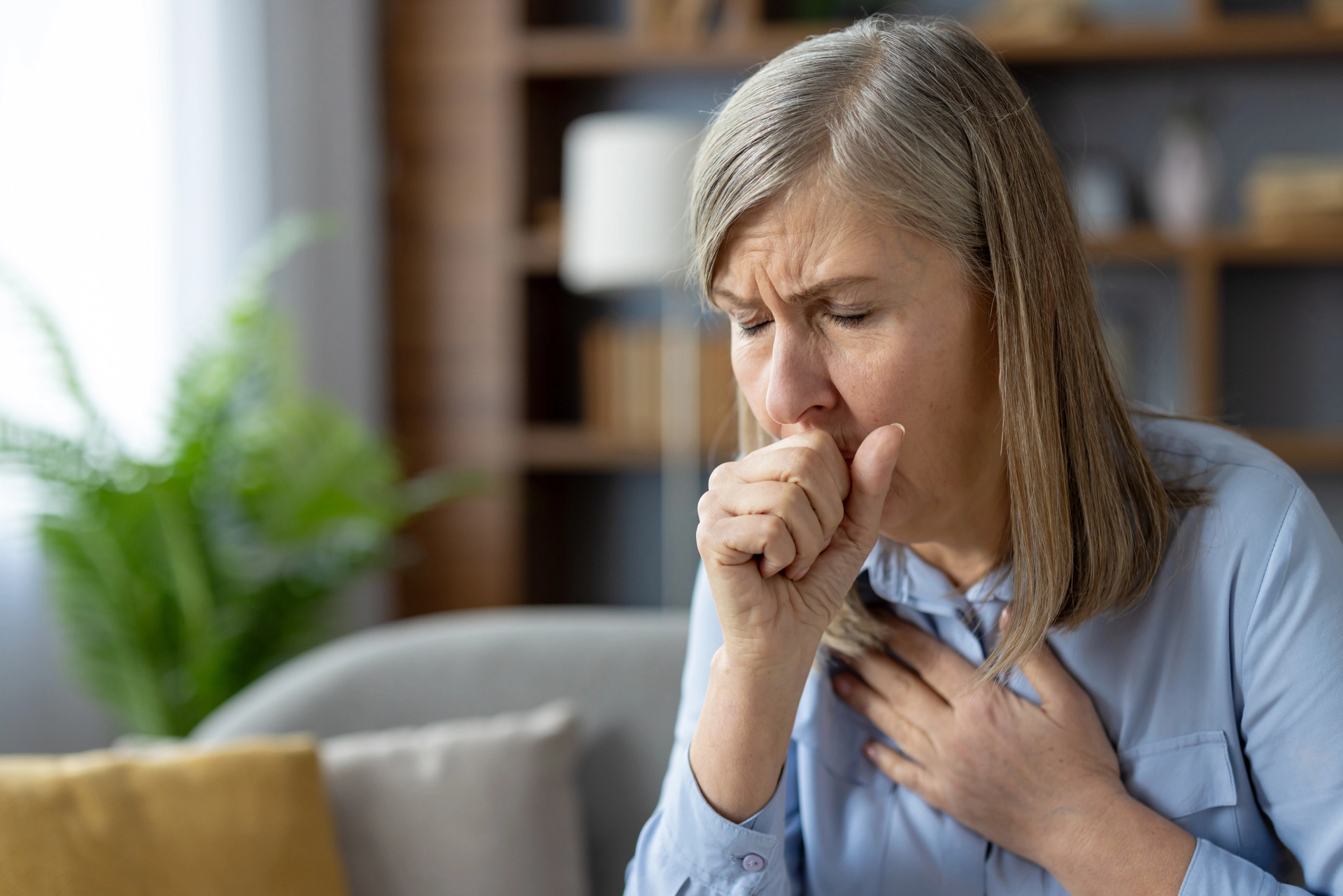
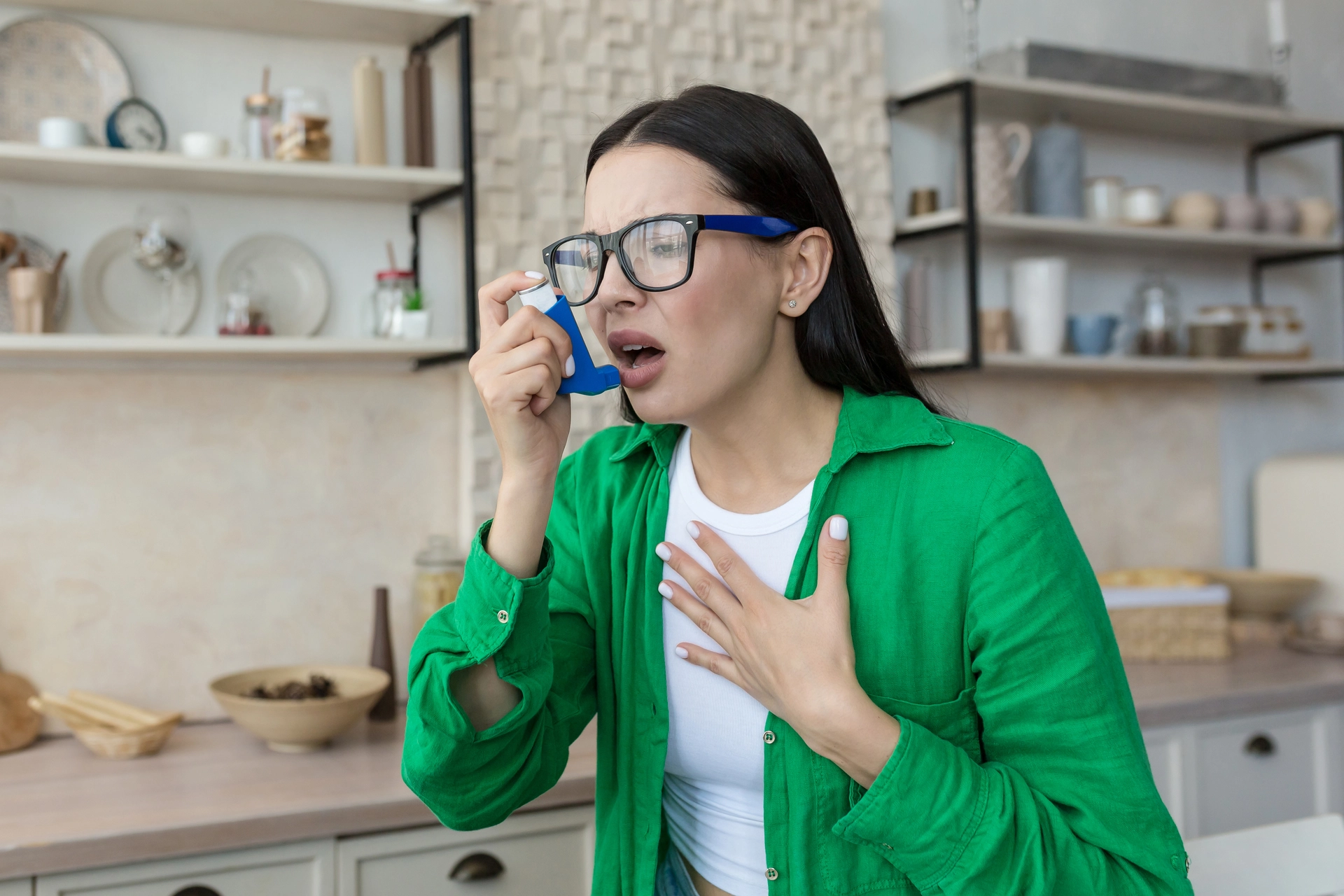
Experiencing shortness of breath after eating can feel unsettling, especially when it happens suddenly after an otherwise normal meal. Many people worry whether it signals a heart or lung problem, but in most cases, breathlessness after eating is linked to digestion, lifestyle habits, or manageable medical conditions. Understanding why shortness of breath after eating occurs is the first step toward effective treatment and long-term relief.
Why Do You Feel Breathless After Eating?
Breathing difficulty after meals does not always indicate a serious disease. Several everyday factors can trigger this sensation. One of the most common causes is acidity or acid reflux. After consuming heavy, oily, or spicy food, stomach acid may travel upward and irritate the food pipe, creating a tight or burning sensation in the chest that mimics breathing difficulty.
Another frequent reason is gastric bloating. When the stomach becomes overly full, it pushes against the diaphragm, the muscle responsible for breathing. This pressure reduces lung expansion, making breathing feel shallow or laboured. People who eat quickly, overeat, or consume carbonated drinks often experience this.
Food intolerance or mild food allergies can also cause inflammation, gas, or discomfort that affects breathing. Anxiety is another silent but important contributor. If a person is already worried about their health, the sensation after eating can trigger rapid breathing or panic-like symptoms. In some cases, conditions such as asthma, anaemia, obesity, or heart-related issues may worsen after meals, making breathlessness more noticeable.
Common Causes of Shortness of Breath After Eating
Some of the most common reasons include:
- Acidity and acid reflux
- Gastric bloating and overeating
- Eating too fast or irregular meal patterns
- Food intolerance or mild allergies
- Anxiety or panic-related breathing changes
- Underlying conditions like asthma, anaemia, obesity, or heart disease
Persistent or worsening symptoms, especially when accompanied by chest pain, dizziness, or extreme fatigue, should always be medically evaluated.
Treatment and Management Options
Treatment for shortness of breath after eating depends on identifying the root cause and is usually non-surgical. Simple lifestyle and dietary changes can bring significant relief. Eating smaller, more frequent meals instead of large portions reduces pressure on the stomach and diaphragm. Avoiding trigger foods such as very spicy, oily, fried, or acidic items helps control acidity and bloating.
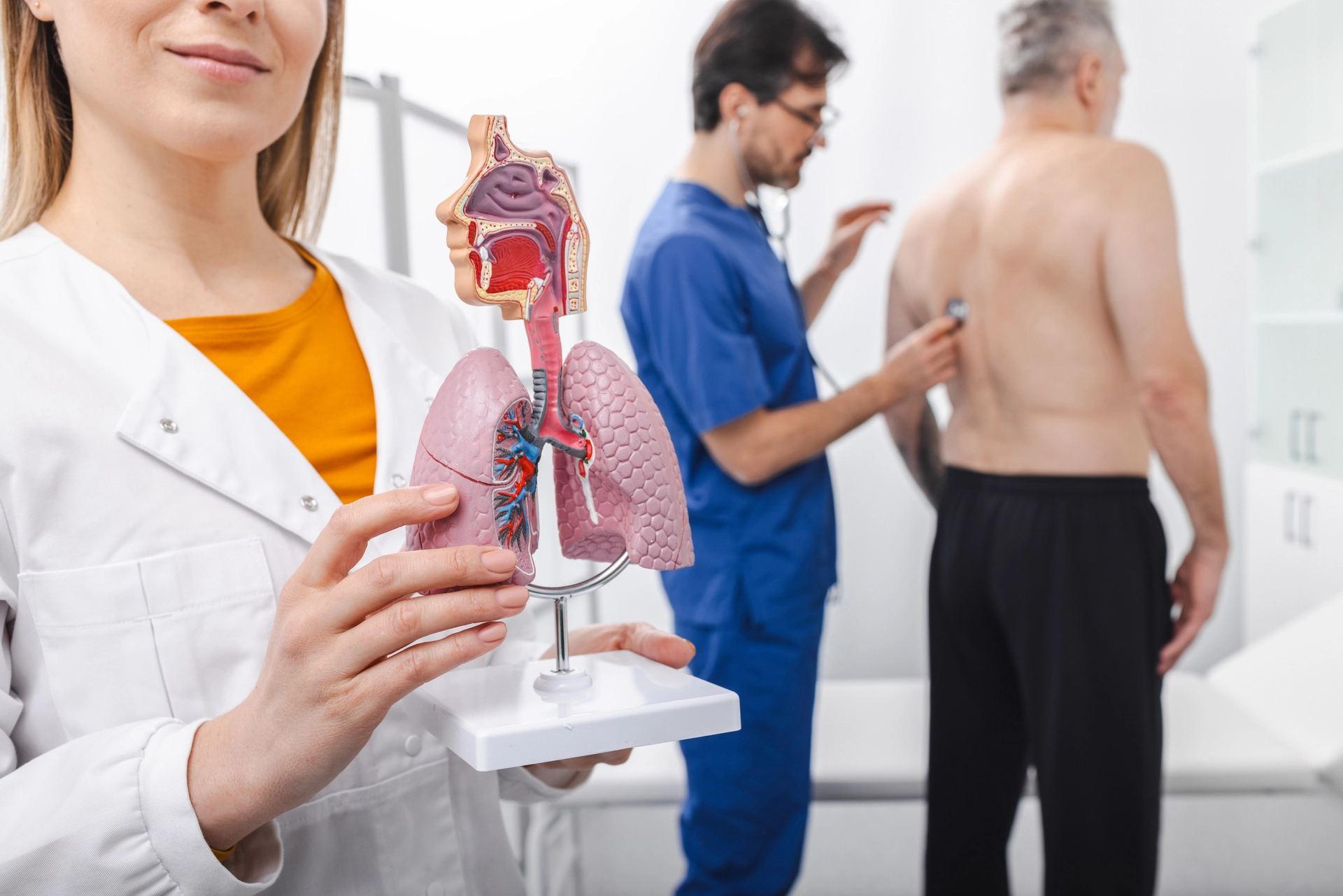
Eating slowly, chewing food properly, and staying upright for at least 30 minutes after meals allow digestion to occur smoothly. If acidity is the main cause, doctor-prescribed medications can reduce acid production and heal irritation. When anxiety contributes to breathlessness, relaxation techniques, breathing exercises, and counselling may help. Dr Hrushikesh Vaidya also emphasises the importance of proper diagnosis through blood tests, ECG, lung function tests, or imaging when needed, as treating conditions like anaemia or asthma can completely resolve symptoms.
When Should You See a Doctor?
You should consult a doctor if shortness of breath after eating:
- Occurs frequently or worsens over time
- Interferes with daily activities or sleep
- Is associated with chest pain, dizziness, fainting, or severe fatigue
- Does not improve despite lifestyle changes
Early medical evaluation ensures accurate diagnosis and effective treatment.
Shortness of Breath After Eating
Is shortness of breath after eating always serious?
No. In most cases, it is caused by acidity, bloating, or anxiety. However, recurring symptoms should not be ignored.
Can acidity really cause breathing difficulty?
Yes. Acid reflux can irritate the chest and food pipe, creating a tight sensation that makes breathing uncomfortable.
Why do heavy meals make breathing harder?
Large meals cause stomach bloating, which presses against the diaphragm and limits lung expansion.
Can anxiety trigger breathlessness after meals?
Yes. Anxiety can lead to rapid breathing and chest tightness, especially if you are already worried about your health.
When should I worry about breathlessness after eating?
If it is persistent, worsening, or associated with chest pain, dizziness, or extreme fatigue, medical attention is necessary
Conclusion
Shortness of breath after eating can be unsettling, but it is often manageable once the underlying cause is identified. Most cases are linked to digestion, lifestyle habits, or treatable medical conditions rather than emergencies. With timely evaluation, small daily changes, and expert guidance from a physician like Dr Hrushikesh Vaidya, this symptom can be effectively controlled, helping you feel comfortable and confident after every meal.
Contact Us
Get In Touch
Reach Out
and Connect
Contact us for collaborations, inquiries, or speaking opportunities. We’re excited to hear from you!
Related Posts

The Role of Nutrition in COPD: Foods to Eat and Avoid
- Dr Hrushikesh Vaidya
- February 15, 2025
The Role of Nutrition in COPD: Foods to Eat and Avoid Chronic Obstructive Pulmonary Disease (CO ..
Asthma Flare-Ups in Monsoon and Winter: Why They Increase
- Dr Hrushikesh Vaidya
- July 15, 2026
Asthma symptoms can occur throughout the year, but many patients notice increased coughing, whe ..