Understanding COPD: What Every Family Should Know About Its Growing Spread
Chronic Obstructive Pulmonary Disease (COPD) is becoming one of the most rapidly increasing health concerns worldwide. Families today must understand how it develops, why it is spreading, and what steps can be taken to protect loved ones. This guide breaks down everything you need to know about symptoms, causes, prevention, and when to seek help from a specialist like Dr. Hrushikesh Vaidya.
What Is COPD?
COPD, or Chronic Obstructive Pulmonary Disease, is a long term lung condition that makes breathing difficult. It includes two major problems:
- Chronic bronchitis – long-term inflammation of the airways
- Emphysema – damage to the air sacs in the lungs
Understanding the basics of COPD is the first step in improving COPD awareness and ensuring early intervention.
Why Is COPD Spreading So Quickly?
1. Increasing Pollution Levels
Air pollution is a major contributing factor. Urban areas with poor air quality experience a higher rate of lung-related diseases.
2. Rising Tobacco and Passive Smoke Exposure
Direct smoking, second-hand smoke, and even third-hand smoke significantly increase the risk of COPD.
3. Occupational Hazards
Jobs involving dust, chemical fumes, or industrial smoke—such as construction, mining, or manufacturing—can lead to long-term lung damage.
4. Lack of Early Diagnosis
COPD often goes unnoticed until symptoms become severe. Greater COPD awareness can help families recognize the warning signs early.
Common Symptoms of COPD
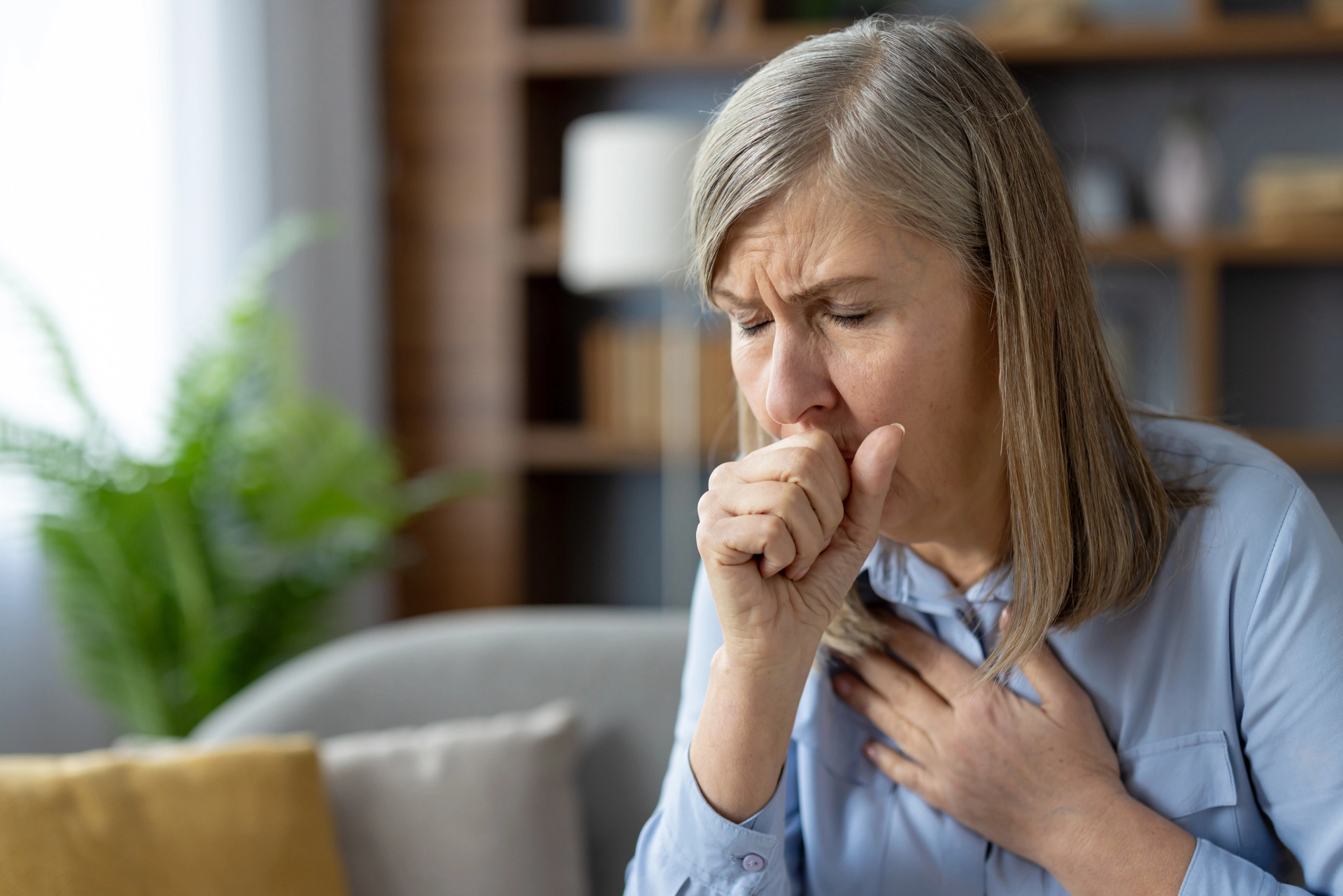
Recognizing chronic obstructive pulmonary disease symptoms early can significantly improve treatment outcomes. The most common include:
- Persistent cough
- Frequent mucus production
- Shortness of breath
- Wheezing
- Fatigue or reduced stamina
- Frequent respiratory infections
If these symptoms are present for more than a few months, it’s crucial to consult a pulmonary specialist.
How COPD Affects Daily Life
Breathing Challenges
Simple tasks like walking, climbing stairs, or even speaking for too long can become tiring.
Reduced Activity Level
People with COPD often avoid physical activity, which leads to muscle weakness and declining overall health.
Emotional Health
Anxiety, stress, and depression are common due to breathing difficulties and lifestyle changes.
Treatment Options for COPD
While COPD is a chronic condition, its progression can be slowed with proper care.
Medications
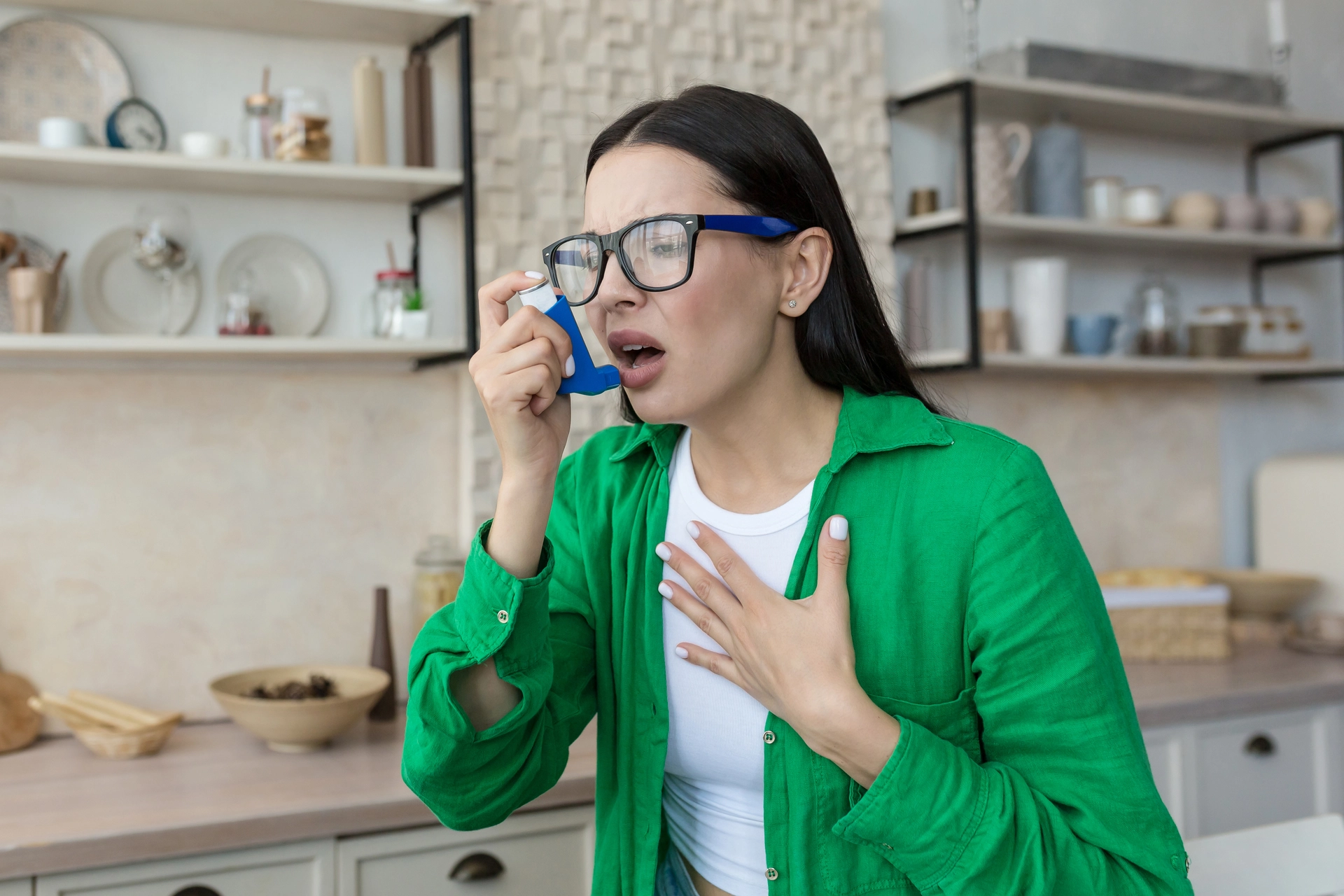
- Inhalers
- Bronchodilators
- Steroids
Pulmonary Rehabilitation
Breathing exercises, physical training, and lifestyle counseling help improve lung function.
Oxygen Therapy
For advanced cases, supplemental oxygen supports normal breathing.
Specialist Consultation
Expert doctors such as Dr. Hrushikesh Vaidya offer personalized treatment plans for better long-term outcomes.
When Should You See a Doctor?
Seek immediate medical attention if you notice:
- Severe shortness of breath
- Chest tightness
- Frequent coughing episodes
- Reduced ability to perform daily activities
Early diagnosis by a lung specialist significantly improves quality of life.
FAQs About COPD
1. Is COPD curable?
No, COPD cannot be fully cured, but early treatment helps manage symptoms and slow its progression.
2. Who is most at risk of developing COPD?
Smokers, older adults, people exposed to pollution, and those with a family history of lung disease are at higher risk.
3. Can non-smokers get COPD?
Yes. Many non-smokers develop COPD due to pollution, occupational exposure, or genetic factors.
4. What foods are good for people with COPD?
A balanced diet rich in fruits, vegetables, whole grains, and lean proteins supports lung health.
5. How can families support a loved one with COPD?
Encourage medication adherence, accompany them to checkups, maintain smoke-free environments, and support a healthy lifestyle.
Conclusion
COPD is a growing global concern, but with the right knowledge, preventive habits, and medical support, families can protect their loved ones effectively. Raising COPD awareness and recognising chronic obstructive pulmonary disease symptoms early is essential.
If you or someone in your family is experiencing persistent breathing issues, don’t wait.
Consult Dr. Hrushikesh Vaidya today for expert evaluation and personalised lung care.
Contact Us
Get In Touch
Reach Out
and Connect
Contact us for collaborations, inquiries, or speaking opportunities. We’re excited to hear from you!
Related Posts

Is COPD Contagious? Causes, Symptoms & Expert Insights
- Dr Hrushikesh Vaidya
- September 11, 2025
Is COPD Contagious? When diagnosed with Chronic Obstructive Pulmonary Disease (COPD), one of th ..

Asthma, Allergies, and Air Quality: Managing Breathing Problems in Mumbai’s Environment
- Dr Hrushikesh Vaidya
- May 20, 2025
Asthma, Allergies, and Air Quality: Managing Breathing Problems in Mumbai’s Environment M ..